
Construction Machinery: 6 Safety Tips and Practices for Operators
A construction site brings together many people, machines, and tasks operating at the same time. Heavy machinery, tight workspaces, changing ground conditions, and ongoing activity all mean that risks are always present. When safety is taken seriously and everyone understands their role, work can progress more smoothly and incidents can be avoided.
Machinery operators in Malaysia play a critical role in maintaining a safe site. Their actions affect not only their own safety, but also that of nearby workers, spotters, and other equipment operators. Staying alert, following established procedures, and using equipment correctly are essential parts of daily operations. By adopting safe operating practices and remaining aware of site conditions, operators can help reduce accidents, minimise downtime, and ensure that everyone goes home safely at the end of the day. Here are six safety tips and practices every construction machinery operator should follow.
1. Conduct Regular Equipment Inspections
Before using any machine, a quick inspection is a must. Check for oil leaks, worn or damaged parts, proper fluid levels and check that safety devices, alarms and controls are functioning correctly. Regular inspections can help to identify issues early, reducing the risk of accidents and preventing unexpected breakdowns.
2. Ensure Proper Training and Certification for Machine Operators
Even with high-quality construction machinery, efficient operation requires skill and in-depth machine knowledge. Operators should be properly trained and certified for the specific equipment they operate, including training on emergency procedures and safe handling techniques for unexpected situations.
3. Follow Safety Protocols and Guidelines Strictly
Safety protocols are designed to reduce risks and promote consistent operations across the site. Operators should always follow established procedures, including proper machine handling, load limits, and safe operating distances.
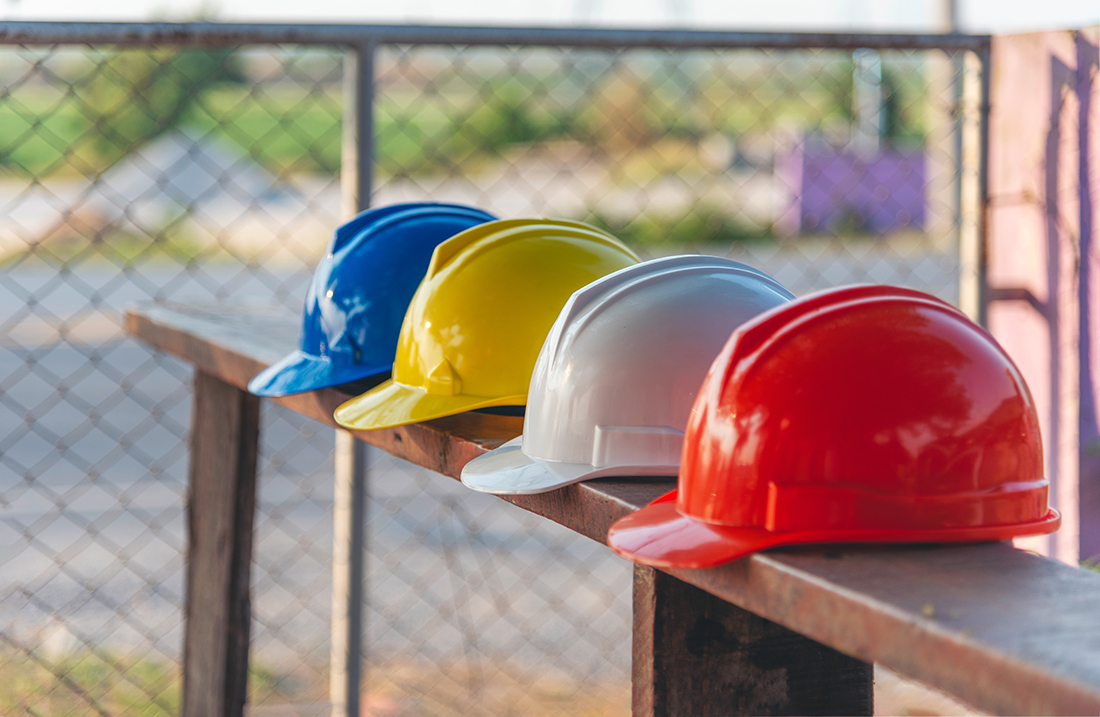
Personal protective equipment (PPE) such as helmets, gloves, and safety boots should be worn at all times. Operators should also adhere to site-specific rules, including designated pathways and restricted zones. By strictly following safety guidelines, operators can reduce the likelihood of accidents and maintain a safer working environment.
4. Maintain Clear Communication on Site
Even with protocols in place, accidents can still occur when communication breaks down. To reduce this risk, relay instructions that are clear and well understood by everyone on site. Consistent communication plays a key role in maintaining a safe work environment.
Use standard hand signals, radios and warning signs to keep workers aware of equipment movement and potential hazards. Daily safety briefings can also help highlight risks and coordinate tasks. With clear communication, teams minimise confusion, prevent collisions and stay aligned throughout the workday.
5. Schedule Regular Maintenance
To maintain functionality and safety, construction machinery must be serviced regularly. This includes lubrication, replacement of worn parts, and routine professional maintenance. Following a preventive maintenance schedule keeps machines operating at their most reliable and efficient levels.
6. Implement Emergency Preparedness Plans
Even with safety measures in place, emergencies can still occur. Construction sites should be equipped with accessible first aid kits and workers should be trained to use them properly. Clear evacuation routes and regular emergency drills should also be established in advance so teams can respond quickly and calmly when needed. Being prepared helps minimise the impact of incidents and supports faster, safer recovery on site.
Kum Loong’s Emphasis on Construction Machinery Safety
At Kum Loong Resources Sdn Bhd, safety is a core priority reflected in strict operational standards applied across all services since our inception in 2001. All our equipment, including skylifts, cranes, scissor lifts, forklifts and trailers are routinely inspected, serviced and maintained before delivery to support safe operations. We also comply with Malaysian safety regulations and JKKP requirements, complemented by proper documentation to support safe use. Trained and experienced operators are available upon request to further support safe site operations.
Additionally, timely delivery and proper setup help projects commence smoothly, reducing downtime and supporting efficient, safer workflows across construction sites nationwide. It is also important to note that while we may provide well-maintained machinery and optional trained operators, effective site safety is a shared responsibility that requires coordination, supervision and site management.
For safe, dependable, and well-maintained construction machinery solutions, reach out to us today to learn more about our machinery rental solutions designed with both safety and reliability in mind.
Frequently Asked Questions (FAQs) on Machine Operator Safety
What are the main safety risks when operating construction machinery?
Construction machineries operate in busy environments where multiple tasks happen at once. Risks include equipment malfunction, poor visibility, operator error and miscommunication between workers. Implementing proper safety practices significantly reduces the likelihood of accidents and injuries.
How does renting construction machinery support site safety?
Renting machinery from a reliable provider means you get access to well-maintained, inspected and compliant equipment. Rental providers often handle servicing and documentation, reducing the safety and maintenance burden on contractors.
Do suppliers provide guidance or technical support for safe machinery operation?
Yes, reputable suppliers should provide operating guidance, safety documentation and technical support. Sometimes, suppliers also offer trained operators to support safer and more efficient machinery use on site.
Are certified operators required for all types of construction machinery?
Yes, many types of construction machinery require certified operators, particularly heavy equipment such as cranes, forklifts and lifting platforms. Certification ensures compliance with safety regulations and confirms that operators are qualified to use the equipment safely and efficiently.
What should be done if the machinery breaks down on site?
When breakdowns happen, stop operating the machinery immediately and secure the area. Inform the supplier as soon as possible so repairs or replacements can be arranged without delay.
Share:
Let’s Move Forward Together

Join hundreds of satisfied businesses
who trust Kum Loong Resources to handle their most critical lifting and logistics needs.
Call us today+60 12-217 1076 to discuss your project.
Or click below to request a quote and let us help you lift with confidence.